
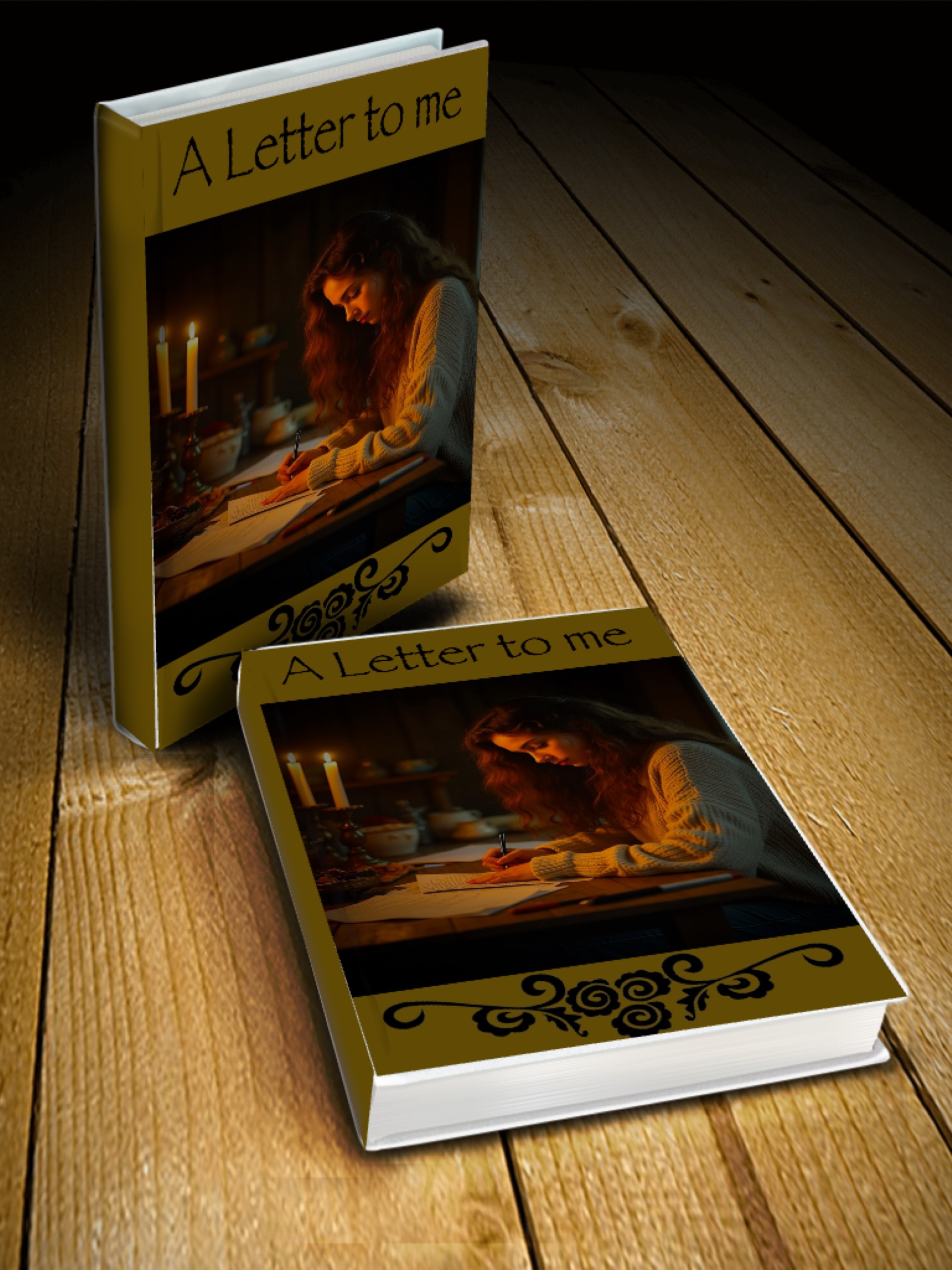

The antique stationery crinkled under my fingers. The paper was a creamy parchment, yellowed at the edges, and the ink was a deep, almost bruised purple. I recognised my loopy handwriting, yet it felt like someone else’s hand had guided the pen. “To Willow, From Willow,” the envelope declared.
It had been tucked away in the dusty attic behind a stack of old photo albums and forgotten dreams. I, Willow, now twenty-five and teetering on the edge of an existential crisis, had unearthed it. My younger self, brimming with naive optimism and a healthy dose of dramatic flair, had written me this letter when she was sixteen.
I ripped open the seal, a rush of dust motes swirling in the afternoon light. The childish handwriting filled the page, a vibrant narrative of hopes and fears.
“Dear Willow, If you’re reading this, HOLY COW, you made it to the future! I hope you’re a famous author or living in Paris with a beret and a handsome French boyfriend! But seriously, listen up. This is important.”
I chuckled. Even the sixteen-year-old me couldn’t resist the urge to be over the top. As I read on, the light-hearted tone faded, replaced by something more profound.
“The biggest pitfall, Willow, the one that will try to swallow you whole, is self-doubt. You’re going to face a lot of rejection. People will tell you to get a ‘real job.’ Your brain will whisper that you’re not good enough or you’re a failure. Please don’t listen to it. That voice is a liar.”
Tears pricked at my eyes. It was as if she knew. For years, I had fought that insidious voice. I had landed a few small book launches, but the rejections piled up, each chipping away at my confidence. I had worked a soul-crushing data entry job. “Here’s the secret weapon: Remember why you love writing. Remember the feeling of words exploding on the page? How can a simple story capture it? Don’t chase fame or fortune; chase the joy. Create for yourself. Just write your words, even if nobody understands them. ESPECIALLY if nobody understands it.”
The letter continued, warning me about the dangers of comparing myself to others (“Instagram is the devil, Willow, I swear!”) and urging me to nurture my friendships (“Don’t let them drift away, even if you’re busy. They’re your anchors.”). It also included advice about forgiving myself for my mistakes, the importance of travel, and even a slightly embarrassing prediction about the “hottest rock bands of 1980s” that thankfully never came to pass.
But it was the section about self-doubt that resonated most deeply. The sixteen-year-old me had seen the darkness lurking on the horizon and had tried to arm myself against it. She knew the battles I would face, the moments when I would feel like giving up.
“Don’t let the bastards grind you down, Willow! You’re stronger than you think. And remember, even on your worst days, you’re writing is still a work of art.”
I closed the letter, the words echoing in my mind. It wasn’t a magical solution, but it was a lifeline—a reminder of the fire that had once burned so brightly, a fire that was now flickering but not extinguished.
Instead of mindlessly scrolling through social media that evening, I pulled out my dusty art supplies. I hadn’t touched them in months. Hesitantly, I put my pen to paper. The first part looked dull and lifeless. Then, I remembered the letter. I remembered the joy.
I closed my eyes and pictured the vibrant sunsets from my childhood, the way the light danced on the ocean waves, and the intricate patterns of leaves in the forest. I breathed the scent of turpentine and paint, which I had almost forgotten I loved.
Slowly, tentatively, I began to write. It wasn’t perfect, and it wasn’t groundbreaking, but it was mine. It was raw, honest, and filled with a spark of the joy I had been missing.
As the ink materialised on the paper, I felt a shift. The weight of self-doubt began to lift, replaced by a fragile but determined sense of hope. Maybe the sixteen-year-old me was right. Perhaps I wasn’t a complete failure after all. Maybe, just maybe, my writing was still a work of art in progress. And maybe, with her letter as my guide, I could finally start creating the future I had always dreamed of, pitfalls and all.
Thank You for Reading
Deborah C. Langley
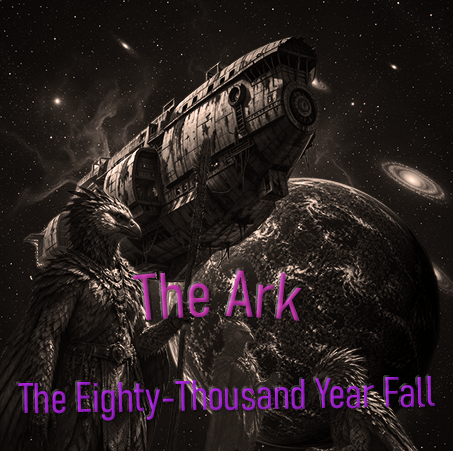
- The Ark: Eighty-Thousand Year Fall

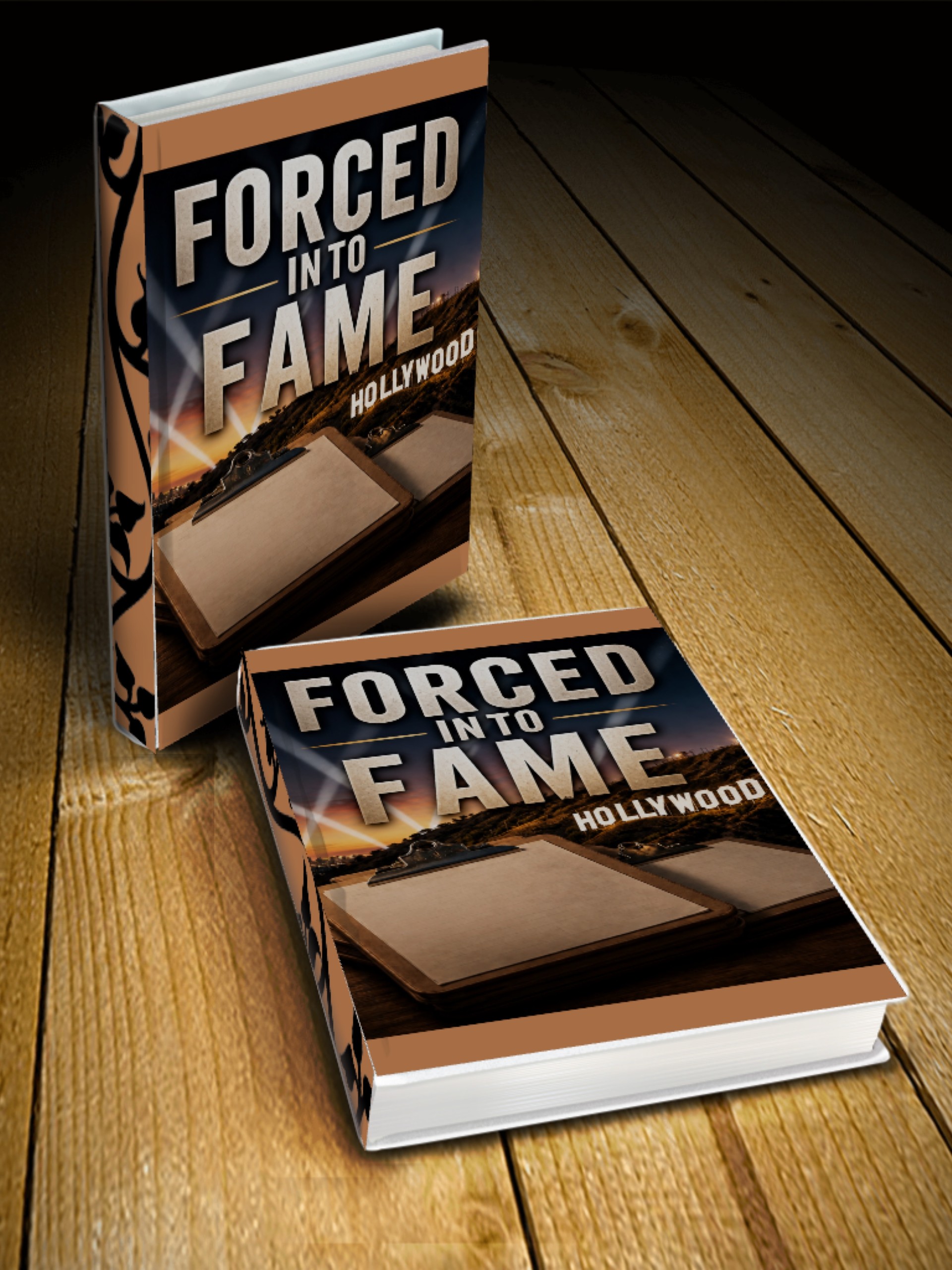
- Forced into Fame

- The Vanguard Incident: Part 2

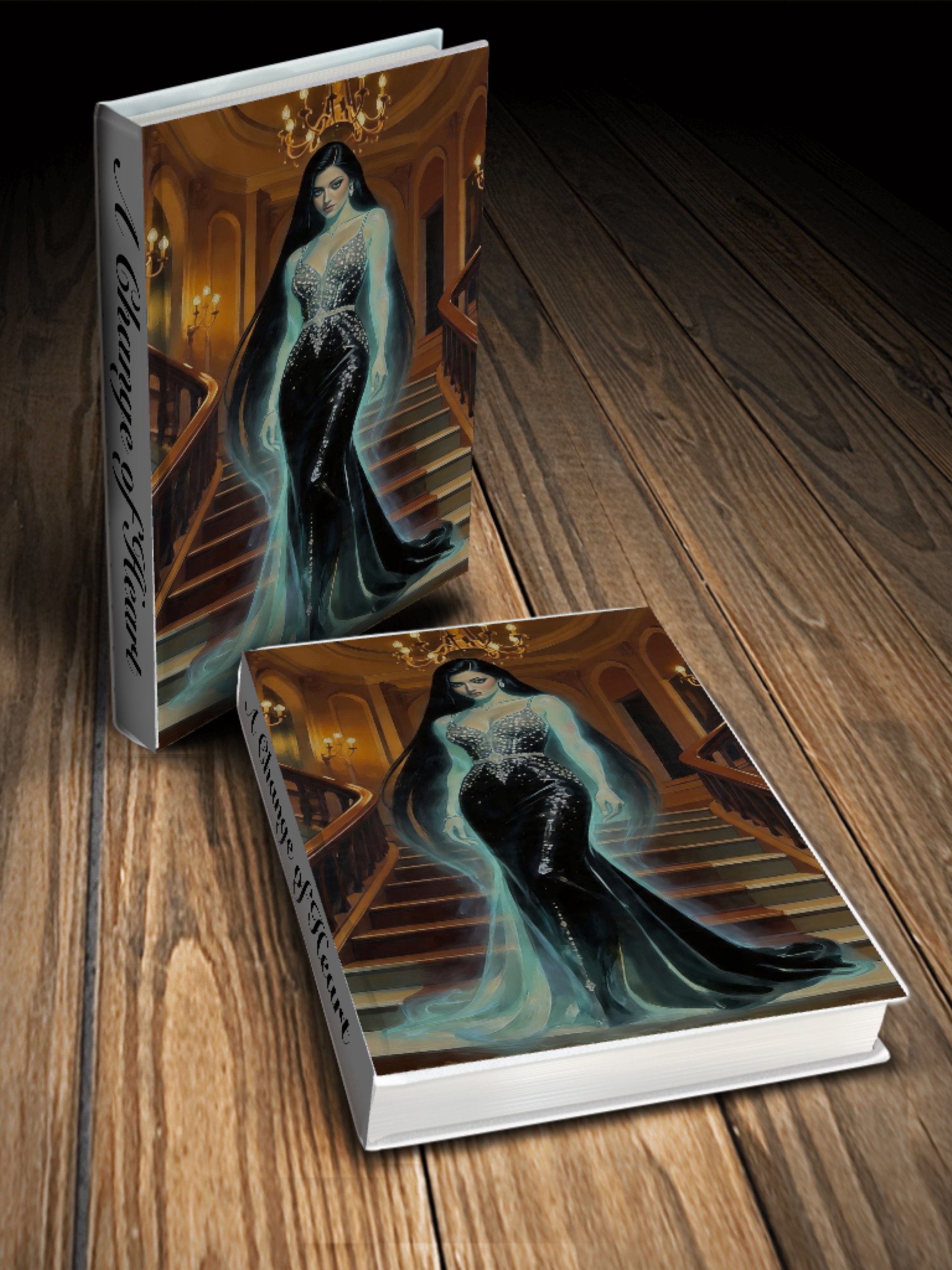
- A Change of Heart

- Splintered Wings

- The Last Scene: Shadows of Deceit

- The Web of Lies

- The Imperium Chronicles: Missing in Manchester

- Once Scorned

- The Shadow of the Theatre


Leave a Reply