
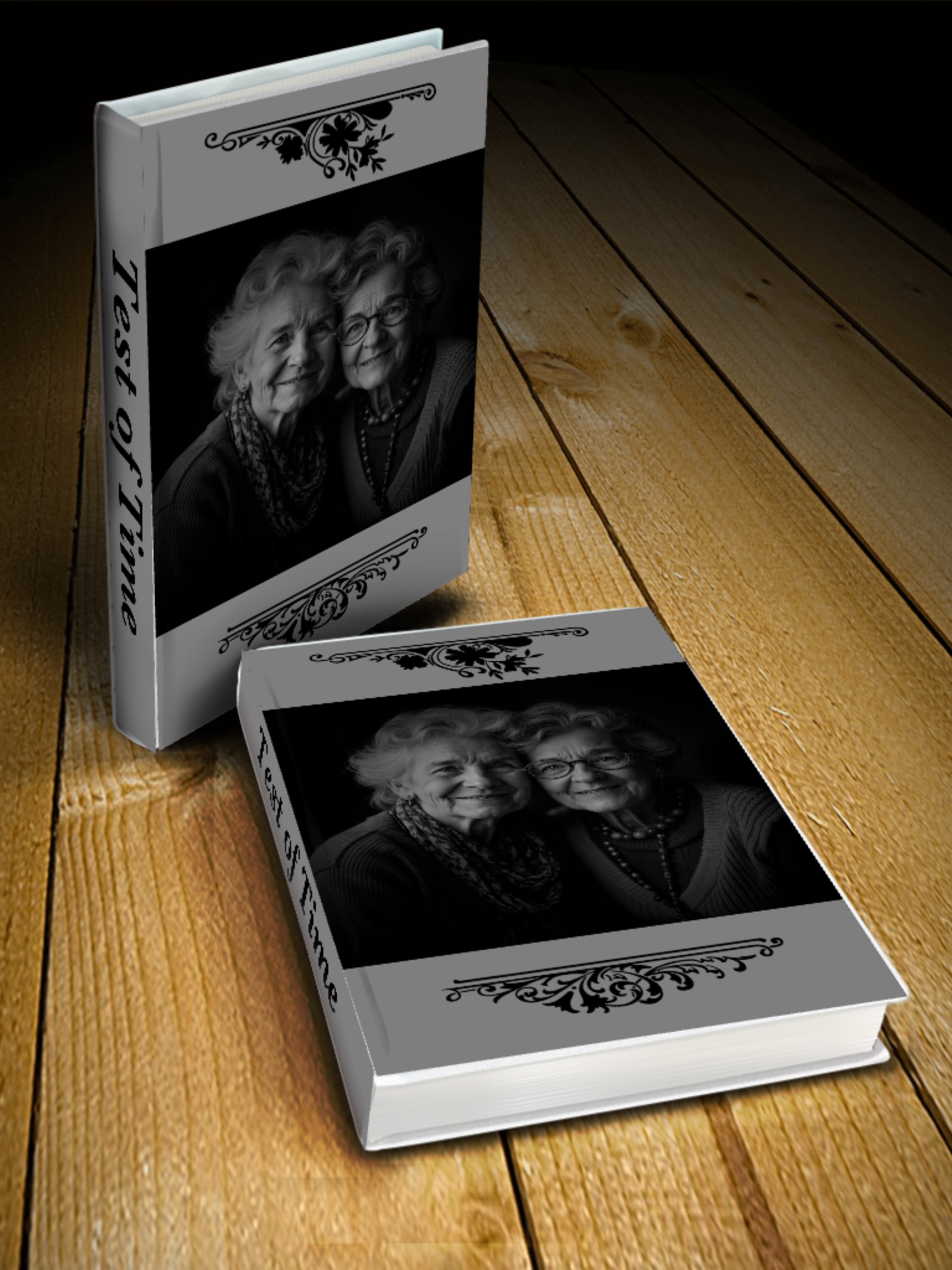

The Test of Time
The sea breeze, laced with the scent of salt and fish and the faint aroma of lavender from Mrs. brown’ garden, ruffled the thinning white hair of Elsie as she sat beside Mable on the weathered bench. Their bones creaked a little louder these days with every movement, a gentle symphony of age that only they understood.
Elsie squinted at the waves crashing against the shore, a familiar rhythm that had lulled them to sleep countless times as children. “Remember that time, Mable,” she said, her voice a soft rasp, “when we tried to build a sandcastle taller than Mr. Thompson’s veranda?”
Mable chuckled, a frail sound that nonetheless held the echo of youthful laughter. “And it collapsed the minute we started to decorate it with seaweed! We were so heartbroken.”
They were seven then, inseparable since the day Mable’s family moved in next door. Through scraped knees and stolen kisses, lost loves and found families, their friendship had been the sturdy oak tree at the centre of their lives. They’d shared secrets under starry nights, whispered hopes into each other’s ears, and cried on each other’s shoulders more times than they could count.
Their husbands, Sam and Max, had been good men, gone too soon. Their children, spread across continents, had flown the coop long ago, building their own lives, their own oak trees. But Elsie and Mable remained, rooted in the same soil, their branches intertwined, offering each other shelter and support.
They still went on holiday together, though the destinations had changed. Instead of backpacking through Europe, they now preferred quiet cruises along the Norfolk Broads, where they could watch the swans glide by and reminisce about their younger adventures. They spent their days tending to their small gardens, knitting scarves for the local orphanage, and playing endless games of Scrabble, where the rules were often bent to accommodate failing eyesight and fading memories.
One afternoon, as they sat sipping tea in Elsie’s sun-drenched kitchen, Mable looked at her friend, her eyes brimming with a quiet gratitude. “You know, Elsie,” she said, her voice thick with emotion, “I don’t know what I would have done without you all these years.”
Elsie reached across the table and took Mables’s hand, her own wrinkled and spotted with age. “Nor I you, Mable,” she replied, her voice thick with her own emotion. “We’ve been through it all together, haven’t we? The good, the bad, and the downright ridiculous.”
They sat in comfortable silence for a moment, the only sound the gentle ticking of the grandfather clock in the hallway. They understood each other without words, a bond forged in the fires of shared experience and unwavering loyalty.
As the seasons turned and the years continued to pass, their steps grew slower, their voices fainter. But their friendship, like a well-loved tapestry, only grew richer and more vibrant with time. They knew their time was drawing near, a knowledge that settled on them like a gentle blanket.
One crisp autumn morning, Mable didn’t answer the phone. Elsie, her heart pounding with a premonition she couldn’t ignore, shuffled next door. She found Mable in her favourite armchair, a peaceful smile on her face, a well-worn photograph of the two of them as young girls nestled in her lap.
Elsie sat beside her friend, took her hand, and held it tight. A single tear traced a path down her weathered cheek. She knew that Mable was gone, but a profound sense of peace settled over her. Their oak tree, though now missing a branch, had stood tall and strong for longer than anyone could have imagined.
Elsie closed her eyes, remembering all the years, all the laughter, all the love. She knew that Mable would be waiting for her, on the other side of the veil, ready to build another sandcastle, higher than any veranda they could imagine. And she knew, with a certainty that warmed her soul, that their friendship, like the endless rhythm of the sea, would continue to resonate, even in the silence. Their bond, forged in youth, tempered by time, and sealed by love, would endure until their dying day, and beyond.
Thank You for Reading
Deborah C. Langley




Leave a Reply